
What is a functional capacity assessment? An NDIS guide for families and coordinators
A diagnosis says what someone has. A functional capacity assessment says what it costs them. Here is what the assessment looks at, who can complete one, what the NDIA uses it for, and what a good report contains.
Year 7 Starts Now: Why Transition Planning Belongs in Term 4 of Year 6
For many autistic kids, Year 7 starts in Term 4 of Year 6. Five things families can start this term, and where NDIS funding fits.
The problems that arrive on schedule, and what we changed because of them
The same social problems arrive at the same stages, in roughly the same order. Here is what Australian and international research shows at each stage, and what we changed because of it.
The excerpt deliberately leaves out the "three years of referrals" figure, so it stays accurate whichever way you settle that line in the post.
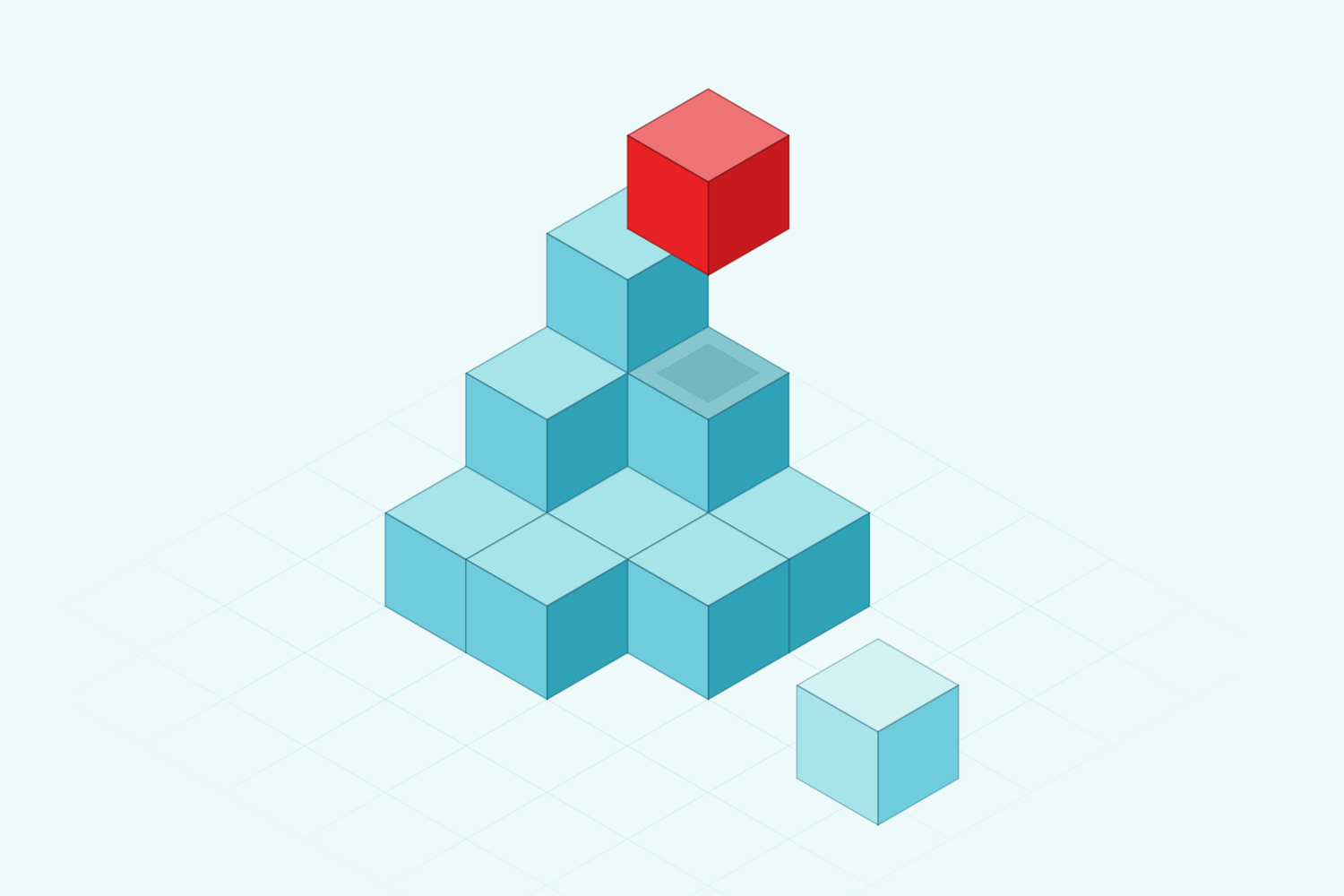
Can Minecraft Help Autistic Young People Build Social Skills? What the Evidence Says
Minecraft is increasingly used in structured social groups for autistic young people. Here's what the research shows, where it's still thin, and what good gaming-based support looks like.
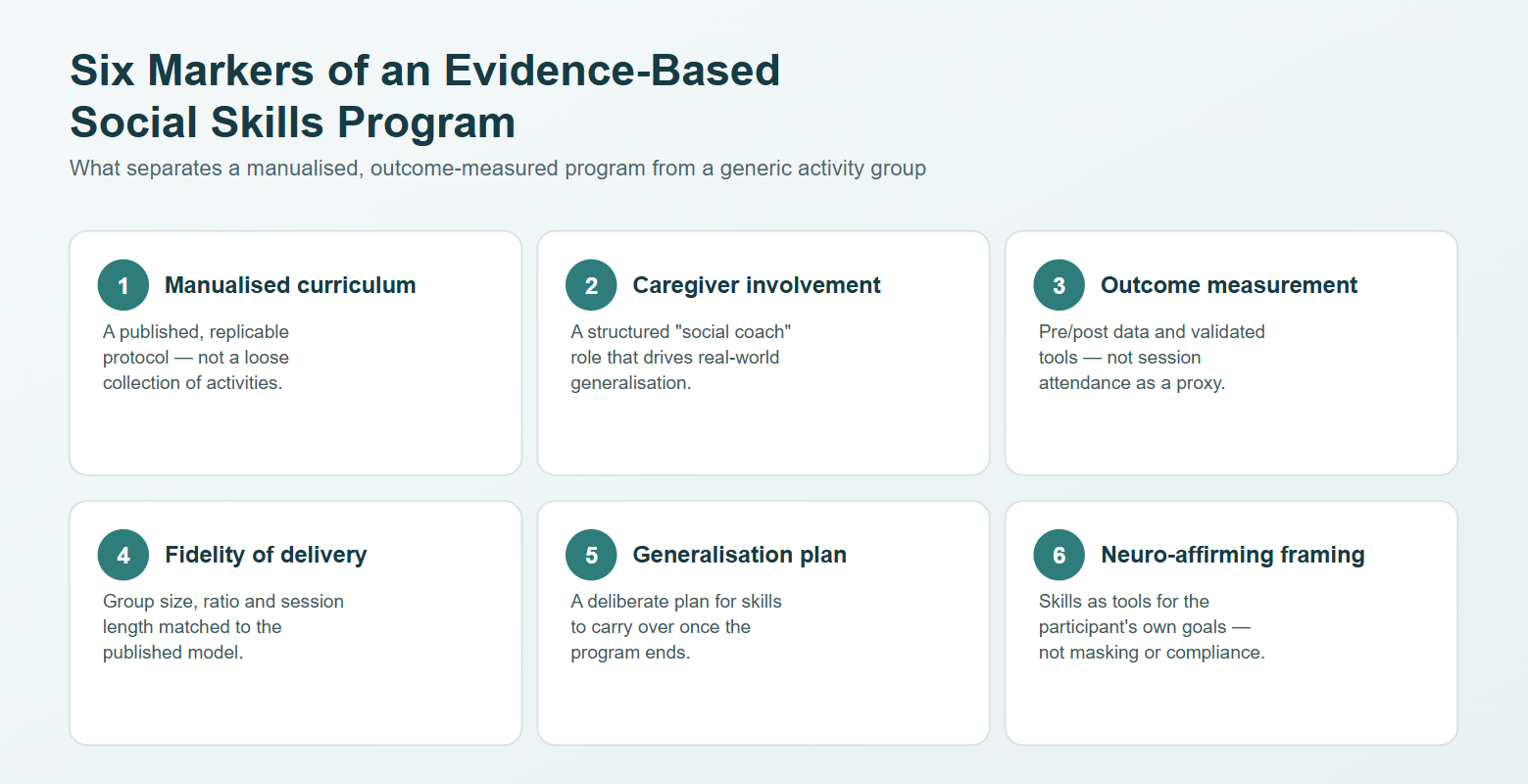
Not All "Social Skills Support" Is Equal: A Guide to Evidence-Based Programs Under the NDIS
Not all NDIS-funded "social skills support" is equal. This guide sets out the six markers that separate a genuinely evidence-based program — like PEERS® — from an unstructured activity group, plus due-diligence checklists for parents, carers, and support coordinators.

From Diagnosis to Function: What Australia's 2026 NDIS Reforms Mean for Autism, ADHD and Developmental Support
The NDIS is undergoing its biggest shake-up since 2013 — shifting from diagnosis-based funding to functional capacity. Here's what the 2026 reforms mean for autistic people, ADHDers and the families supporting them.
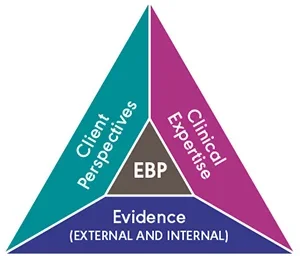
Social Skills Development: What Does the Research Actually Say?
For parents and allied health professionals alike, "social skills training" can mean a lot of different things — from informal coaching tips to fully manualised, clinically tested programs. When trying to find the right support, it's worth knowing which approaches are actually proven to work.
At Unified Care Solutions, our approach to social skills development is grounded in peer-reviewed research. In this article, we've reviewed five key studies that shaped the evidence base for this approach, so you can see exactly what the research does and doesn't show.
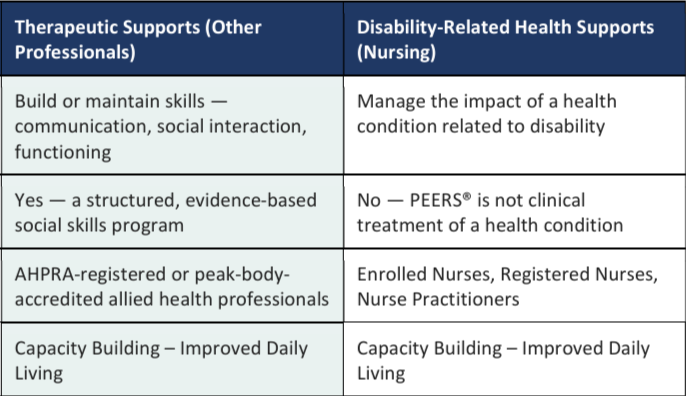
How Our PEERS® Program Is Classified and Funded Under the NDIS
Why is PEERS® classified as a therapy support, not a nursing support, under the NDIS? We explain the question, our determination, and what it means for autism supports in Ballarat - for participants, support coordinators, and allied health referrers alike.

Autism vs ADHD: Understanding the Differences (and How They Can Overlap)
If your child has recently been diagnosed with Autism, ADHD, or both, you may be wondering what these terms actually mean. While both conditions are life-long neurodevelopmental conditions, and though they share several key similarities, there are many distinct differences which impact the services which may be required by the individual with such a diagnosis. Understanding these differences can help families, educators and support workers provide more effective, person-centred support and help parents feel more confident navigating diagnosis, therapy and NDIS funding decisions.