
Ballarat and telehealth Australia-wide
Friendships. The big changes. Work worth doing.
We help autistic people achieve friendships, navigate the big changes in life, and get into a job they want, by providing the skills and supports they need at their stage of life.
Start with where things are right now
Does one of these sound familiar?
If it does, you're in the right place.
Somebody has told you there is a problem, and nobody told you what to do about it. Your child plays near other children, rather than with them.
Our before-school program → Primary schoolThe invitations stopped, or they never started. Every get-together outside school is organised by you. You text the parents, you suggest the day, you drive.
Our primary school program → Secondary schoolThey have people they talk to at school, and it ends at the gate. And there is a form on the bench about subject selection that neither of you can answer honestly.
Our secondary school program → School leaversSchool finished, and the people went with it. The job applications go out, and mostly nothing comes back.
Our program for school leavers → AdultsIt has been like this long enough that it feels like how things are. Most of what gets offered was designed for somebody much younger.
Our program for adults →What we believe
We believe most of what stops an autistic person getting what they want is not opportunity, it is being understood.
Almost every family who contacts us has been putting in the effort for years. They have followed advice that was reasonable, and it returned very little.
A young person who has stopped trying has not failed at motivation. They have drawn a sensible conclusion from the evidence. What we add is not more effort. It is something for the effort to work on: the communication skills that friendship, transitions and work all run on.
Three focus areas, at every stage
The opportunity is usually already there. It just isn't converting.
Most providers believe that what an autistic person needs is more of whatever they are missing. More social opportunity. Extra hours through the transition. A job placement at the end of it. In each case below, what decides whether it converts is whether two people understood each other, and that is the part nobody is working on.
Making and keeping friends
A child is around other children for six hours a day, five days a week, and it isn’t turning into a get-together on a Saturday.
The skills that make friendship possible where the motivation is already there.
Making and keeping friends →Getting through the big changes
A family moving a young person into secondary school usually has a transition team attached to it already, and the young person is still walking in on day one not knowing anyone or how to ask.
Saying what you need, being understood by the people whose job it is to help, and enough security to choose what you actually want.
Getting through the big changes →Finding work worth doing
Somebody with the drive and the ability to do a job well gets read as intense, critical or difficult, and loses the role over how the work was communicated rather than whether it was good.
Communicating what you value, receiving guidance, and managing the social demands of a workplace.
Finding work worth doing →That’s why we designed our approach around the three things that matter across a whole life. Making and keeping friends. Handling the big changes. Finding work worth doing. A family joins the program that matches their stage of life, and we work out which of those three matters most for that person right now and how much of each.
Why we stay with you
Every few years the rules change, and nobody announces it.
Each time, the skills that worked last time stop being enough, and nobody teaches the new ones. We do.
When they are ready for the next stage, they move into the next program with us. The three focus areas continue and the people around them stay the same, so their care carries forward instead of starting again.
How we work
The same four steps, at every stage.
We run all four, in order, for every support we use. That sequence is what turns a program into a result.
Assess
Functional assessment establishes what is actually happening, across all three focus areas.
About functional assessments →Apply a structured tool
Matched to the person and the stage, not to a catalogue.
Generalise
The skill moves into the person’s real settings, or it has not been learned.
Review and measure
At the close of each tool period. Where are we now, what next.
We are working towards not being needed.
Every goal has a handover point. The fishing club that knows them. The gaming group that saves them a seat. The university disability service that already understands how they work. When that point is reached, we stop working on that goal and either move to the next one or finish.
Straight answers
What we will tell you honestly.
The questions families and clinicians ask us most, before they decide.
A co-occurring diagnosis does not rule anyone out.
Intellectual disability, anxiety, a mental health condition: none of them is a reason to decline someone. What matters is a gap in the skills we work on, and a willingness to grow. What changes is the pace and the way we teach, not whether we will work with you.
If something else needs to come first, we will say so.
Sometimes another issue needs to be the main focus before social skills work is the right thing. When that happens we will tell you, help you find the right support, and stay involved where it helps rather than working around it.
We do not manufacture motivation.
If someone does not want more friends, that is an answer and we take it at face value. We will not talk anyone into it. There is often still something useful to do, like planning the next big change or working out what kind of work might suit.
Learning social skills is not the same as masking.
We teach what actually works among people that age, and leave the person to choose whether to use it. What we add is options they were never shown. We will not tell you masking is harmless, because it is not, and we never describe what we do as helping somebody fit in.
Who you will be working with
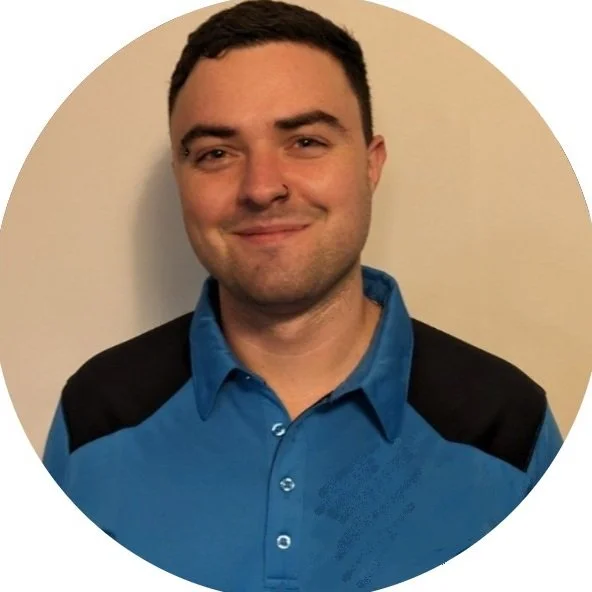
Led by Zac Eaton.
Unified Care Solutions is led by its founder, Zac Eaton. He oversees every support we provide and writes our functional assessments himself.
The decision about what a person needs is the part of this work that most affects the outcome, so it is never handed off.
For support coordinators and clinicians
One referral, not six.
You refer to the program that matches the participant's stage. We determine which supports are used, in what order and at what intensity, so you do not have to match a participant to a service catalogue.
Common questions
Before you get in touch.
The things families usually want to know first. Anything else, ask us on the call.
Do I need a referral?
No. Families, carers and participants can contact us directly. We also accept referrals from support coordinators, psychologists, GPs, schools and other allied health professionals.
Who do you work with?
Autistic and neurodivergent people at every stage of life, from before school into adulthood, and the families and carers who support them.
How is it funded?
Most of our supports are funded through NDIS plans. We work with plan managed and self managed participants, and can talk about private funding where that suits. We go through costs plainly on the call, before anything starts.
Unified Care Solutions has applied for NDIS provider registration across a range of registration groups. We currently work with plan managed and self managed participants.
Is it online or in person?
Our social skills programs and online clubs run by telehealth, anywhere in Australia. Community-based supports and in-person assessments are delivered around Ballarat.
Where do you offer in-person support?
Ballarat and surrounds, including the Ballarat CBD, Sebastopol, Wendouree, Delacombe, Mount Clear, Alfredton, Buninyong, Smythesdale, Creswick, Daylesford and the wider Central Highlands. If you are further out, ask us. We will tell you honestly what we can do.
Is there a waitlist?
Some programs run as groups with set intake dates, so there can be a wait. We will give you a clear timeframe when we speak.
What happens on the first call?
It takes about fifteen minutes. You tell us what is happening. We tell you honestly whether we are the right service, and if we are, what comes next.
Take the first step
Let's talk about what's going on.
Request a call back and one of our team will ring you at a time that suits. It takes about fifteen minutes, it's free, and you don't need anything worked out before we speak.
Request a call back
A few short questions. It takes two minutes.
We ring you
At the time you choose. You tell us what's happening, and we listen.
We talk through next steps
If we're the right fit, we'll explain what comes next and what it costs. If we're not, we'll say so.