
For NDIS support coordinators and cliniciansOne referral, not six.
You refer to the program that matches the participant's stage of life. We determine which supports are used, in what order and at what intensity, and you hear from us in writing after every contact.
Or call 0429 535 452 or email reception@ucsol.com.au
Include the participant's stage of life, funding type and goals, and we'll come back to you with a view within one business day.
What we offer youDepending on where you sit.
Support coordinators
Refer to the program for the participant's stage of life. The clinical decision about which supports, in what order and at what intensity, sits with us. That removes the part of the job that takes longest: matching a participant to a service catalogue.
NDIS early childhood partners
At nine, a child moves from your service to a local area coordinator, and for many families that is the first time continuity breaks. A child who starts with us before school stays with the same people through primary school.
Schools and transition teams
You know the process. We know the young person. LiftOff prepares them for the move, briefs the team receiving them, and stays until the handover holds. Our secondary school program covers the whole of secondary school, including what comes after it.
Paediatricians and therapists
A defined sequence: functional assessment, a structured support matched to the stage, generalisation into the places the person goes, and a measured review at the end of each support period. See how we work.
The programsOrganised by stage of life.
A participant joins the program for their stage and stays in it. Supports are used within the program as they are needed, and each is scoped, funded and claimed individually against the relevant NDIS support item. Funding must exist in the plan.
Shared, sustained play with other children.
Before school → Primary schoolFriendships they can keep.
Primary school → Secondary schoolA social life outside school hours and a clear direction for what comes after school.
Secondary school → School leaversSocial contact and a direction of their own.
School leavers → AdultsRegular social contact they choose for themselves, and work worth doing.
Adults →NDIS supports we deliver
Who each support is for
Entry to a program is goal setting and agreement that our approach suits the family. Participants with an intellectual disability, anxiety or a mental health condition are welcome; we change the pace and the way we teach.
- Online gaming clubs: young people not yet comfortable in a group, or not ready for a structured program.
- PEERS® for Preschoolers: families with a parent or carer who can attend each week.
- Children’s Friendship Training: children who want friends, with a parent involved each week.
- PEERS® for Adolescents and PEERS® for Young Adults: young people who want friendships, and young adults who want friendships or a relationship, including those who reject their diagnosis.
- PathWays: people choosing a direction or looking for work, building the skills to do it themselves.
- LiftOff: anyone facing a major change, from starting school to a new service.
Friendship is a choice, so a participant who doesn't want friendships starts with PathWays or LiftOff, and we don't pitch social supports to them. Where another issue needs to be the main focus, we say so, refer on, and let the other provider lead.
Functional assessmentsAn honest account, evidenced.
We help participants, families and support teams achieve an accurate account of how a person actually functions socially, at work or study, and at risk, through functional assessment written by a Registered Nurse.
The link between the disability and the functional impact is drawn explicitly, because without it the support is not fundable. Risk is stated as risk, with the reason beside it. For questions about work, there is a vocational assessment.
Two free tools you can pass on to families: Before the meeting, for preparing for an NDIS planning meeting, and the Year 7 planner, for the move to high school.
Clinical governanceWho holds it.
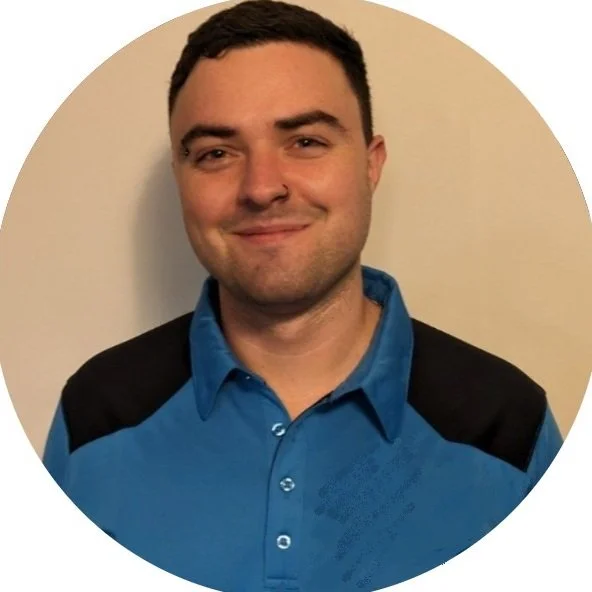
Zac Eaton is our founder and holds clinical governance for every support we provide. He is a Clinical Nurse Consultant in intellectual and developmental disability and a PEERS® Certified Provider.
After every contact, you get a written summary. At the end of each support period, a review against the participant's goals.
Unified Care Solutions has applied for NDIS provider registration across a range of registration groups. We currently work with plan managed and self managed participants.
The neuro-affirming questionSocial skills without masking.
We teach what functions in the real peer environment, and leave the participant to choose whether to use it.
What we add is options they were never shown. A young person who learns the rules and decides not to follow them has still gained something, because they now have a choice where before they only had an outcome. We will not say masking is harmless, and we never describe our work as reducing autistic behaviour or helping somebody fit in.
Sound like we could help?
Even if you're not sure, call us on 0429 535 452, or ask us to call you.
Or email reception@ucsol.com.au